

Introduction
In today’s competitive digital landscape, local businesses need more than just a physical presence to attract customers. With most people searching online before making purchasing decisions, visibility on search engines has become essential. This is where Pay-Per-Click (PPC) advertising plays a powerful role.
PPC is one of the fastest ways to drive targeted traffic to your business. Unlike organic methods that take time, PPC helps your business appear instantly in front of potential customers who are actively searching for your products or services. Whether you run a small shop, a service-based business, or a startup, PPC can significantly improve your local visibility and generate high-quality leads.
In this blog, we’ll explore how PPC works, why it’s effective for local businesses, and how you can use it strategically to boost your visibility and sales.
What is PPC Advertising?
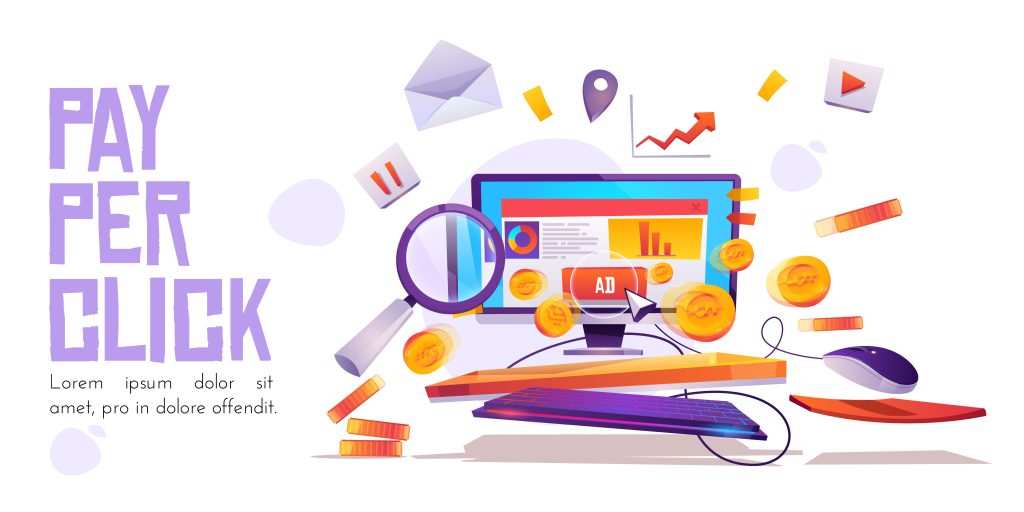
PPC (Pay-Per-Click) is a digital advertising model where you pay a fee each time someone clicks on your ad. These ads typically appear at the top of search engine results pages, above organic listings.
For example, when someone searches for “best café near me” or “plumber in Pune,” PPC ads show up instantly. Businesses bid on keywords relevant to their services, ensuring their ads are displayed to the right audience.
The most common platforms for PPC include:
- Google Ads
- Bing Ads
- Social media platforms like Facebook and Instagram
Among these, Google Ads is the most widely used for local business advertising due to its massive reach and targeting capabilities.
Why PPC is Important for Local Businesses
1. Instant Visibility
Unlike SEO, which takes months to show results, PPC delivers immediate visibility. Your business can appear on the first page of search results within hours of launching a campaign.
2. Highly Targeted Audience
PPC allows you to target users based on:
- Location (city, area, radius targeting)
- Keywords
- Device type
- Time of day
This ensures your ads are seen by people who are most likely to convert.
3. Budget Control
You have full control over your budget. You can:
- Set daily spending limits
- Adjust bids
- Pause campaigns anytime
This makes PPC suitable even for small businesses with limited budgets.
4. Measurable Results
PPC provides detailed analytics such as:
- Clicks
- Impressions
- Conversion rates
- Cost per click (CPC)
This data helps you optimize campaigns for better performance.
How PPC Boosts Local Business Visibility
1. Appearing in Local Searches
When users search for services near them, PPC ads often appear at the top of results. With location targeting, your business can show up for searches like:
- “Salon near me”
- “Best restaurant in Pune”
- “Electrician in Lohagaon”
This increases your chances of attracting nearby customers.
2. Google Maps Integration
PPC campaigns can also appear on Google Maps, making it easier for customers to find your business location, contact details, and directions.
This is especially useful for businesses that rely on foot traffic.
3. Mobile Optimization
Most local searches happen on mobile devices. PPC ads are optimized for mobile users and include features like:
- Click-to-call buttons
- Location extensions
- Directions
This makes it easy for customers to take immediate action.
4. Targeting High-Intent Customers
PPC targets users who are actively searching for your services. These users have higher intent, which means they are more likely to convert into paying customers.
Key PPC Strategies for Local Businesses
1. Use Location-Based Keywords
Focus on keywords that include your location, such as:
- “Digital marketing agency in Pune”
- “Graphic designer in Kolhapur”
This helps attract local traffic and improves ad relevance.
2. Optimize Your Google Business Profile
Ensure your business profile is complete with:
- Accurate address
- Phone number
- Business hours
- Customer reviews
This increases trust and improves ad performance.
3. Use Ad Extensions
Ad extensions make your ads more informative and engaging. Important extensions include:
- Location extensions
- Call extensions
- Site link extensions
These improve click-through rates and user experience.
4. Create Compelling Ad Copy
Your ad copy should be clear, engaging, and action-driven. Use:
- Strong headlines
- Clear value propositions
- Call-to-action (CTA) like “Call Now,” “Book Today,” or “Visit Us”
5. Set a Smart Budget Strategy
Start with a small budget and test your campaigns. Gradually increase spending on high-performing keywords and ads.
6. Use Negative Keywords
Negative keywords prevent your ads from showing for irrelevant searches. For example:
- If you sell premium services, exclude “cheap” or “free”
This helps reduce wasted ad spend.
Common PPC Mistakes to Avoid
1. Ignoring Local Targeting
Running ads without proper location targeting can waste your budget on irrelevant audiences.
2. Not Tracking Conversions
Without conversion tracking, you won’t know what’s working and what’s not.
3. Poor Landing Pages
Sending users to a generic or slow website can reduce conversions. Ensure your landing page is:
- Fast
- Mobile-friendly
- Relevant to the ad
4. Overlooking Mobile Users
Most local searches happen on mobile, so your ads and landing pages must be mobile-optimized.
Benefits of PPC for Small and Local Businesses
- Quick results compared to SEO
- Increased brand awareness
- Higher conversion rates
- Better control over marketing spend
- Ability to compete with larger businesses
PPC levels the playing field, allowing small businesses to compete with bigger brands in local markets.
PPC vs SEO: Which is Better for Local Businesses?
Both PPC and SEO are important, but they serve different purposes:
- PPC delivers instant traffic and quick results
- SEO builds long-term organic visibility
The best approach is to use both together. PPC can drive immediate leads, while SEO ensures sustainable growth.
Conclusion
PPC advertising is a powerful tool for boosting local business visibility in today’s digital world. It offers instant results, precise targeting, and measurable performance, making it ideal for businesses looking to grow quickly.
By using the right strategies—such as location targeting, optimized ad copy, and smart budgeting—you can attract high-quality local customers and increase your revenue.
If you’re serious about growing your local business, investing in PPC is not just an option—it’s a necessity.