
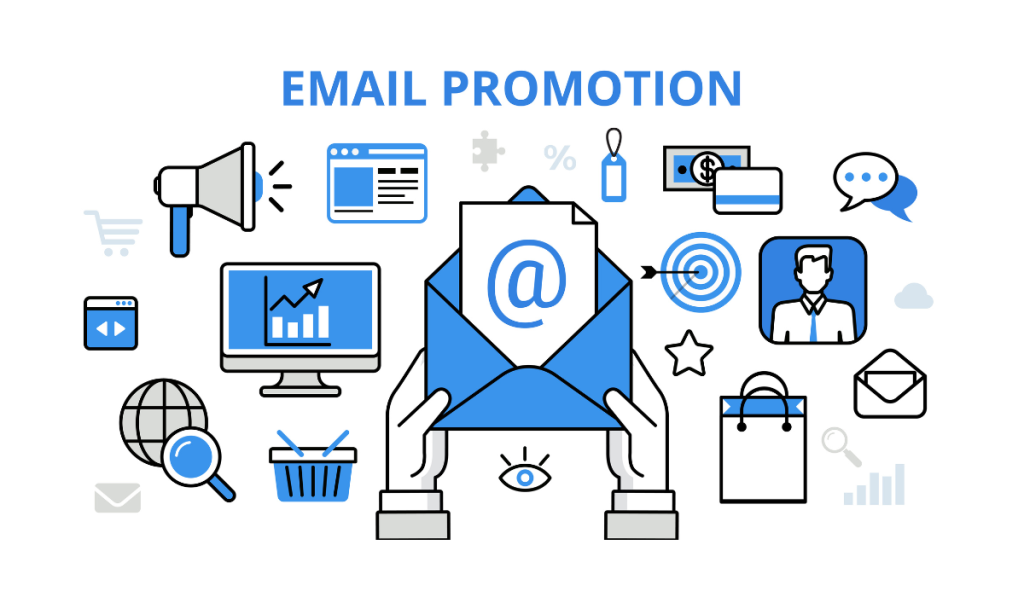
Email marketing in 2026 has become one of the most powerful digital marketing channels for businesses that want consistent leads, sales, and customer retention. Despite the rise of social media, AI tools, and short-form content platforms, email remains unmatched when it comes to ROI and direct customer communication.
However, the way email marketing worked a few years ago is completely outdated now. Generic newsletters, bulk promotions, and irrelevant emails no longer convert. Today’s users expect highly personalized, relevant, and timely communication. If your email strategy does not match user intent, your emails will either go unopened or land in the spam folder.
In this detailed SEO-friendly guide, we will understand the most effective email marketing strategies in 2026 that actually help increase open rates, click-through rates, and conversions.
What Makes Email Marketing Important in 2026?
Email marketing continues to dominate because it gives businesses direct access to their audience without relying on algorithms like social media platforms. When someone joins your email list, you own that audience relationship.
Unlike paid ads, where visibility stops once the budget ends, email marketing allows long-term nurturing. This means you can build trust, educate your audience, and convert them over time.
Another major advantage is cost efficiency. Email marketing delivers one of the highest returns on investment compared to other digital channels because it targets warm and interested users rather than cold audiences.
Importance of Personalization in Modern Email Marketing
Personalization is no longer just about adding a user’s name in the email. In 2026, personalization is driven by user behavior, interests, and real-time actions.
Modern email systems track what users are doing on your website. This includes pages visited, products viewed, time spent, and previous interactions. Based on this data, emails are customized for each user.
For example, if a user visits a pricing page but does not purchase, a follow-up email can address objections, highlight benefits, or offer a limited-time discount. This feels natural and relevant, which increases the chances of conversion.
Personalized emails perform significantly better because they make users feel understood rather than targeted.
Email Segmentation for Higher Conversion Rates
One of the most critical elements of email marketing success is segmentation. Sending the same message to all users leads to poor engagement and low conversions.
Segmentation means dividing your audience into smaller groups based on behavior, interest, or stage in the buying journey.
For example, new subscribers should receive welcome emails that introduce your brand and provide value. Active users should receive product updates or educational content. Cold users need re-engagement campaigns to bring them back. High-intent users should receive strong conversion-focused messages.
When emails are segmented properly, the content becomes more relevant, and engagement increases naturally.
Value-Based Email Content Builds Trust
One of the biggest mistakes businesses make is focusing too much on selling. In modern email marketing, direct selling without value rarely works.
Instead, successful brands follow a value-first approach. This means they educate, inform, and solve problems before asking for a sale.
For example, instead of sending a direct sales email like “Buy our SEO service now,” a better approach would be to share insights such as “Why your website traffic is dropping and how to fix it.”
Once trust is built through value, users are more likely to respond positively to offers. This approach increases long-term conversions and customer loyalty.
Role of Email Automation in Increasing Sales
Email automation is one of the most powerful tools in 2026 marketing systems. It allows businesses to send the right message at the right time without manual effort.
Automation works through predefined email sequences triggered by user actions. For example, when a user signs up, they receive a welcome series. When they browse a product, they receive related recommendations. When they abandon a cart, they receive reminder emails.
A typical automated funnel includes three stages: awareness, nurturing, and conversion. Each stage is designed to move the user closer to making a purchase decision.
Automation ensures consistency and helps businesses generate revenue even when they are not actively sending emails.
Importance of Strong Subject Lines for Open Rates
The subject line is the first impression of your email. If it fails, the email will not be opened, no matter how good the content is.
In 2026, effective subject lines focus on curiosity, relevance, and emotional triggers. Instead of using spammy or overly promotional language, successful marketers use natural and engaging phrasing.
For example, instead of “Buy now and get discount,” a better subject line would be “You might be missing this simple growth trick.”
A strong subject line should create curiosity while staying relevant to the content inside the email.
Email Design and Mobile Optimization
Most users now open emails on mobile devices, which makes mobile optimization extremely important.
Emails should be simple, clean, and easy to read on small screens. Long paragraphs, heavy images, and complex layouts reduce readability and engagement.
The best-performing emails use short sentences, clear headings, and a strong call-to-action button that is easy to click.
A mobile-friendly design improves user experience and directly increases click-through rates.
Storytelling in Email Marketing for Better Conversions
Storytelling is one of the most powerful techniques in email marketing because it connects emotionally with users.
Instead of directly selling a product, brands share real-life problems, experiences, and transformations. This helps users relate to the message on a personal level.
A typical storytelling email starts with a problem, explains a journey, and ends with a solution. This structure builds trust and naturally leads users toward conversion.
People may forget product features, but they remember stories that emotionally connect with them.
Deliverability and Inbox Placement Optimization
Even the best email campaigns fail if they do not reach the inbox. Deliverability plays a major role in email marketing success.
To ensure better inbox placement, businesses must maintain clean email lists, remove inactive users, and avoid spam-triggering content.
Technical factors such as domain authentication (SPF, DKIM, DMARC) also help improve trust with email providers.
Engagement is another key factor. Emails that are frequently opened and clicked are more likely to land in the primary inbox.
A/B Testing for Continuous Improvement
Email marketing is not a one-time setup. It requires continuous testing and improvement.
A/B testing helps compare different versions of emails to identify what works best. Marketers test subject lines, content styles, call-to-action buttons, and sending times.
Even small improvements in open rate or click rate can significantly impact overall conversions when scaled across a large email list.
Successful email marketers always rely on data rather than assumptions.
Retention Emails for Long-Term Revenue Growth
Many businesses focus only on acquiring new customers, but retention emails often generate more revenue.
Retention emails are designed for existing customers. These include product updates, loyalty rewards, upsell offers, and personalized recommendations.
Since these users already trust your brand, they are more likely to purchase again. This makes retention one of the most profitable email marketing strategies.
Conclusion
Email marketing in 2026 is no longer about sending bulk messages. It is about building meaningful relationships through personalized, value-driven, and automated communication.
Businesses that focus on segmentation, storytelling, deliverability, and user intent are seeing significantly higher conversions compared to those using outdated methods.
The key to success lies in understanding your audience deeply and sending the right message at the right time. When done correctly, email marketing becomes a powerful system that drives consistent traffic, leads, and revenue.
If you implement these strategies properly, your email campaigns will not only improve engagement but also deliver long-term business growth and strong ROI.