
What is Internal Linking?
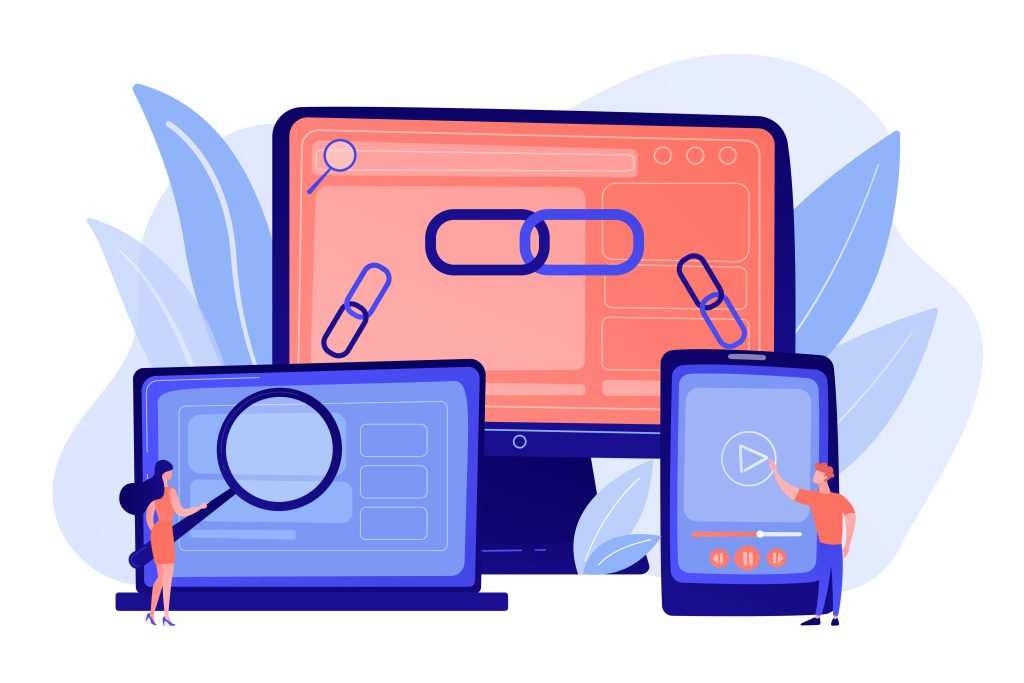
Internal linking is an important SEO practice where one page of a website links to another page within the same website. These links connect different pages and create a structured flow of information across the site. Internal links help users navigate easily and also help search engines understand the relationship between different pages.
For example, a blog post about SEO basics may link to related pages like keyword research, on-page SEO, or technical SEO. Similarly, a service page may link to supporting blog articles that explain related topics in detail. This internal connection builds a clear structure within the website.
Search engines like Google use crawlers to scan and index web pages. These crawlers follow internal links to discover new pages and understand how content is connected. A strong internal linking structure ensures that all important pages are properly discovered and indexed.
How Internal Linking Improves SEO Performance
Internal linking plays a key role in improving overall SEO performance by helping search engines crawl and understand a website more effectively. When pages are properly linked, search engines can easily navigate through the website and identify important content.
It also improves the visibility of new pages. When a new page is linked from existing high-authority pages, search engines can find it faster. This leads to quicker indexing and faster ranking in search results.
Internal links also help in organizing website content into a clear structure. This structure makes it easier for search engines to understand which pages are most important and how different topics are related to each other.
How Internal Linking Boosts Organic Traffic
Internal linking directly contributes to increasing organic traffic in several ways. One of the most important benefits is faster indexing. When new content is linked from already indexed pages, search engines discover it quickly. This improves the chances of ranking sooner in search results.
Another important benefit is the distribution of page authority. High-authority pages pass value to other linked pages within the website. This helps improve the ranking potential of newer or weaker pages. Over time, this creates a balanced SEO structure across the entire website.
Internal linking also improves keyword relevance. When anchor text is used naturally within content, it helps search engines understand the topic of the linked page. This strengthens topical relevance and improves keyword rankings.
User experience also improves with internal linking. When users find relevant links within content, they explore more pages on the website. This increases engagement, improves session duration, and reduces bounce rate. These behavioral signals are positive indicators for SEO performance.
Internal linking also supports content discovery. Many users enter a website through a single page. Internal links guide them to related content, keeping them engaged and encouraging deeper browsing. This increases the overall organic traffic potential of the website.
Internal Linking and Topic Authority
Internal linking helps build strong topic authority by connecting related content into clusters. A topic cluster consists of a main pillar page supported by multiple related articles. All these pages are linked together through internal links.
This structure helps search engines understand that the website has in-depth coverage of a particular subject. As a result, the website is more likely to rank higher for multiple related keywords within that topic.
For example, a digital marketing website may have a pillar page on SEO, supported by blogs on keyword research, link building, and technical SEO. Internal linking connects all these pages and strengthens overall authority.
Internal Linking for Better Indexing
Internal linking is also important for improving website indexing. Some pages are not easily discovered by search engines if they are not linked properly. These pages may remain hidden or receive less traffic.
When internal links connect deep pages with important pages, search engines can crawl them more frequently. This ensures that all valuable content is included in search results and contributes to organic traffic growth.
Regular internal linking updates also help keep older content active. When new articles link back to older posts, search engines revisit those pages and refresh their indexing.
Internal Linking for Better Rankings
Internal linking plays a strong role in improving rankings of important pages. When multiple related pages link to a specific page, it signals to search engines that the page is important.
This improves the authority and relevance of that page, increasing its chances of ranking higher in search results. Businesses often use this strategy to boost service pages, landing pages, or money pages.
A well-planned internal linking structure ensures that ranking power is distributed strategically across the website.
Conclusion
Internal linking is a powerful SEO strategy that helps improve website structure, indexing, keyword relevance, and user engagement. It allows search engines to understand your website better and helps users navigate content easily.
A strong internal linking strategy leads to faster indexing, better rankings, improved authority distribution, and increased organic traffic. For long-term SEO success, internal linking should be an essential part of every website strategy.